Home Laminator Machine Guide for Everyday Projects
For product comparisons, LeStallion’s guide to the best laminator machine for your home is a useful starting point.
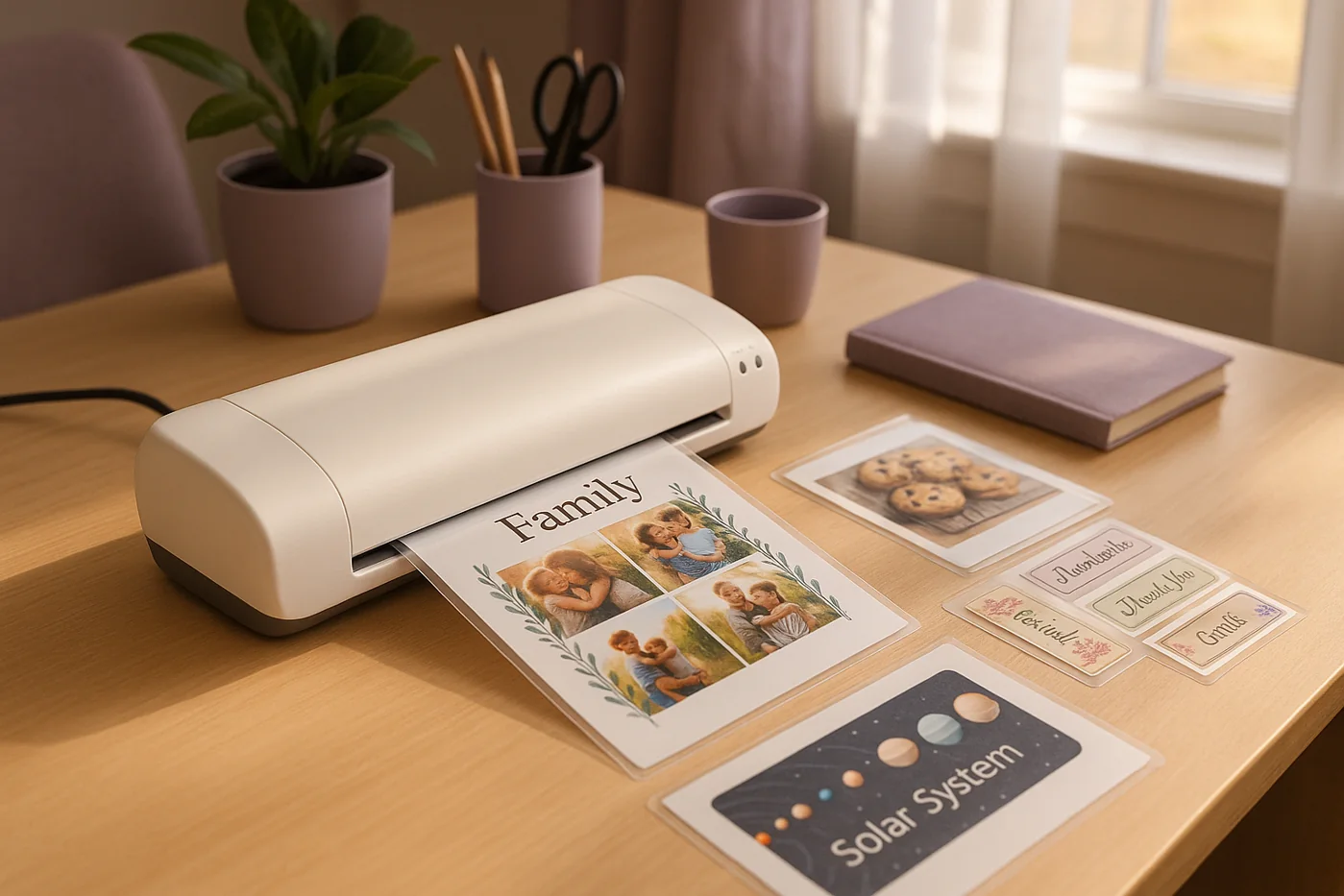
A home laminator is a practical tool for protecting everyday papers that get handled, wiped, displayed, or reused. Families use laminators for chore charts, emergency contact sheets, recipe cards, kids’ activities, storage labels, home-office signs, craft templates, and school papers.
How home laminating differs from classroom use
Choose a laminator by matching the machine to the projects you actually make. Consistent sealing, compatible pouch sizes, warm-up time, jam release, and a compact footprint matter more than buying the largest model. The concept of lamination is simple, but the home workflow depends on paper type, pouch thickness, heat, and careful trimming.
Use 3 mil pouches for flexible pages and 5 mil pouches for cards, labels, and reusable items. Avoid laminating original passports, certificates, signed contracts, or anything that might need future official verification. For the right product shortlist, compare these needs with LeStallion’s home laminator recommendations.
Features that matter for home projects
Choose a laminator by matching the machine to the projects you actually make. Consistent sealing, compatible pouch sizes, warm-up time, jam release, and a compact footprint matter more than buying the largest model. The concept of lamination is simple, but the home workflow depends on paper type, pouch thickness, heat, and careful trimming.
Use 3 mil pouches for flexible pages and 5 mil pouches for cards, labels, and reusable items. Avoid laminating original passports, certificates, signed contracts, or anything that might need future official verification. For the right product shortlist, compare these needs with LeStallion’s home laminator recommendations.
Best household materials to laminate
Choose a laminator by matching the machine to the projects you actually make. Consistent sealing, compatible pouch sizes, warm-up time, jam release, and a compact footprint matter more than buying the largest model. The concept of lamination is simple, but the home workflow depends on paper type, pouch thickness, heat, and careful trimming.
Use 3 mil pouches for flexible pages and 5 mil pouches for cards, labels, and reusable items. Avoid laminating original passports, certificates, signed contracts, or anything that might need future official verification. For the right product shortlist, compare these needs with LeStallion’s home laminator recommendations.
Pouch sizes and thickness choices
Choose a laminator by matching the machine to the projects you actually make. Consistent sealing, compatible pouch sizes, warm-up time, jam release, and a compact footprint matter more than buying the largest model. The concept of lamination is simple, but the home workflow depends on paper type, pouch thickness, heat, and careful trimming.
Use 3 mil pouches for flexible pages and 5 mil pouches for cards, labels, and reusable items. Avoid laminating original passports, certificates, signed contracts, or anything that might need future official verification. For the right product shortlist, compare these needs with LeStallion’s home laminator recommendations.
Safety, setup, and storage
Choose a laminator by matching the machine to the projects you actually make. Consistent sealing, compatible pouch sizes, warm-up time, jam release, and a compact footprint matter more than buying the largest model. The concept of lamination is simple, but the home workflow depends on paper type, pouch thickness, heat, and careful trimming.
Use 3 mil pouches for flexible pages and 5 mil pouches for cards, labels, and reusable items. Avoid laminating original passports, certificates, signed contracts, or anything that might need future official verification. For the right product shortlist, compare these needs with LeStallion’s home laminator recommendations.
Common mistakes to avoid
Choose a laminator by matching the machine to the projects you actually make. Consistent sealing, compatible pouch sizes, warm-up time, jam release, and a compact footprint matter more than buying the largest model. The concept of lamination is simple, but the home workflow depends on paper type, pouch thickness, heat, and careful trimming.
Use 3 mil pouches for flexible pages and 5 mil pouches for cards, labels, and reusable items. Avoid laminating original passports, certificates, signed contracts, or anything that might need future official verification. For the right product shortlist, compare these needs with LeStallion’s home laminator recommendations.
Entity references for better understanding
Choose a laminator by matching the machine to the projects you actually make. Consistent sealing, compatible pouch sizes, warm-up time, jam release, and a compact footprint matter more than buying the largest model. The concept of lamination is simple, but the home workflow depends on paper type, pouch thickness, heat, and careful trimming.
Use 3 mil pouches for flexible pages and 5 mil pouches for cards, labels, and reusable items. Avoid laminating original passports, certificates, signed contracts, or anything that might need future official verification. For the right product shortlist, compare these needs with LeStallion’s home laminator recommendations.
Practical decision checklist
Before buying or using a home laminator, write down the projects you expect to make most often. A household that mainly protects recipes and labels needs a different setup from a parent preparing school activities or a remote worker organizing reference sheets. The best choice is the machine that fits your recurring tasks, not the one with the longest feature list.
Check the maximum width, supported pouch thickness, warm-up indicator, feed path, release lever, and storage footprint. Then check the supplies you will actually keep at home: letter-size pouches, small card pouches, photo-safe copies, scissors, a paper cutter, and a corner rounder. This keeps the laminator useful instead of turning it into another appliance that is difficult to set up.
Long-term home organization value
Laminated materials work best when they become part of a household system. A recipe card should live in a recipe box. A cleaning checklist should stay near the cleaning supplies. A child's routine chart should be placed where the child actually sees it. A label should be attached to the bin or shelf it describes. Lamination adds durability, but placement and organization add usefulness.
Review laminated items every few months. Remove outdated contact sheets, replace worn labels, and avoid keeping old systems that no longer match the household. This simple review prevents a home laminator from creating clutter and keeps the projects focused on clarity, protection, and daily convenience.
Home laminator project planning
The most successful home laminating projects begin with a small plan. Gather the papers you want to protect, separate them into reusable, display, storage, and keepsake groups, and decide which ones should remain editable. A weekly meal plan, chore chart, or cleaning checklist may work well with dry-erase markers. A copied recipe card or craft template may need a sturdier pouch. A temporary shopping list or original legal record should usually stay unlaminated.
Think about where each finished item will live before sealing it. If a laminated page is going on the refrigerator, leave enough margin for a magnet or clip. If it will go in a binder, avoid making it too stiff for the rings. If it will be handled by kids, round the corners and use a thicker pouch. These small choices make the finished materials feel intentional instead of improvised.
Quality checks before you run a full batch
Run one test pouch before laminating a stack of important home projects. Look for clear film, sealed edges, flat cooling, and no trapped dust. If the result is cloudy, wait for the machine to reach full temperature or check whether the pouch is too thick. If the sheet bends or waves, support the page as it exits and let it cool on a flat surface. If edges peel after trimming, leave a wider clear border on the next run.
A final pre-purchase check is simple: confirm your most common project size, choose the pouch thickness you will actually use, and make sure replacement pouches are easy to buy before committing to a machine.
FAQ
What is the best laminator for home use?
The best home laminator is one that fits your document sizes, supports common 3 mil and 5 mil pouches, seals consistently, and includes a jam-release feature.
Can a home laminator handle photos?
It can handle photo prints and copies, but avoid laminating irreplaceable originals.
What should I laminate at home?
Reusable lists, recipe cards, craft labels, school papers, emergency sheets, and home-office reference pages are good candidates.
How do I avoid bubbles?
Use clean dry materials, let the machine fully warm up, feed the sealed edge first, and let sheets cool flat.
Editorial review note
Home Document Lab uses a practical editorial checklist for home laminating pages: safety, pouch compatibility, household use cases, durability, storage, and clear buying decisions. This is an editorial profile, not a claim of real-world certification.